I watched Capernaum
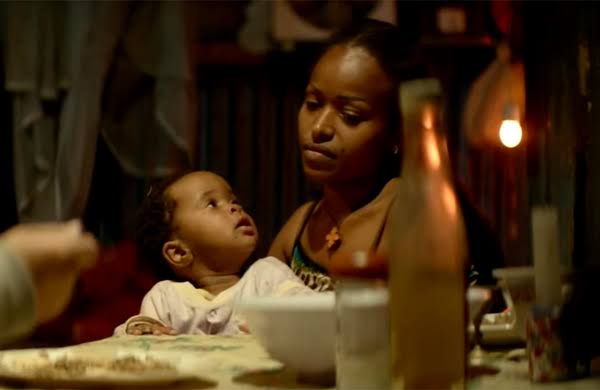
I used to think I understood hardship. I thought I knew what it meant to struggle. But I was living in a bubble. I thought the chaos of the world was just a lack of resources, a lack of money. But Capernaum showed me that the true chaos is a lack of humanity. It is a world where a mother is criminalized for having a baby. Where a ten-year-old boy has to be the father. Where a woman prays in a cage while her child cries in the streets.
The movie starts in a courtroom in Beirut. A little boy named Zain—he’s twelve, though he looks barely ten—is suing his own parents for the crime of giving birth to him. He ran away from home after his parents gave his eleven-year-old sister away to an older man in exchange for rent and a few chickens.
Out on the streets, with nowhere to go, he meets an Ethiopian woman named Rahil. She’s living in Lebanon without papers, using a fake ID card with the name “Tigist” on it just to keep a job cleaning a broken-down amusement park.
Tigist has a secret of her own: a baby boy named Yonas. Because her visa is expired, having a child makes her a target. If the police find out Yonas exists, she gets deported or locked up. Still, when she sees Zain hungry and alone, she takes him back to her shack made of scrap metal and tin. The deal is simple: she gives him food and a roof, and he watches Yonas while she works.
And then one day, she goes out to pay a guy for her fake ID, and she just doesn’t come back.
That’s the part of this movie I can’t shake. We see her later, locked up in a detention camp with dozens of other migrant women, sitting on the floor, crying and praying.
Watching her in that cage, praying for God to help her. She knows her baby is sitting in a tin shack with a ten-year-old boy who doesn’t have a single coin in his pocket. She’s probably thinking about how hungry Yonas must be, how her own body is aching to breastfeed him, and how Zain must think she just abandoned them.
At first, I couldn’t understand why she didn’t just tell the guards about her baby. Why not just say, “I have a child, go get him and deport us back to Ethiopia together”? Then i realized, that Yonas doesn’t have a birth certificate or a passport. Officially, he doesn’t exist. If she told the authorities about him, there was a real chance they would take the baby away, put him in a foreign orphanage, and send her back to Ethiopia alone. Or maybe even simpler, and much darker: she thought Yonas had a better chance surviving on the streets of Beirut with a ten year-old than coming back home with her to Ethiopia.
Back in the shack, you watch Zain do things no child should ever have to do. He drags this little Black baby around the hot streets in a large cooking pot tied to a skateboard because he can’t carry him anymore. When the milk runs out, he feeds him water mixed with sugar, and later, just crushed ice. He ties a string around the baby’s ankle so he won’t crawl away while Zain looks for ways to make a few dollars. It is a level of suffering that isn’t even fit for a grown adult, let alone two kids.
I walked away from this film heartbroken, because of what it forced me to admit about my own country.
For a long time, I assumed things here in Ethiopia were at least somewhat better than that. You look around, life moves on, people go to work, and you think, surely home is safer than living like a fugitive in a Beirut slum. When you hear Tigist on the phone with her mom back in Ethiopia, you can tell her parents aren’t doing well either. They’re struggling, waiting on whatever little money she can send.
For a mother to look at her life in that miserable tin shack, constantly terrified of the police, and still think, I am better off staying here than going home to raise my child in Ethiopia, that realization scares me. I don’t even know how to compare those two choices.
Maybe I really do live in a bubble. Maybe it’s too easy for us to look away from how impossible life has become for so many people right here at home, to the point where a cage in Lebanon feels like a risk worth taking.
Since finishing the movie, one question keeps haunting me, Is it really this difficult out here? Are people really suffering this badly right in front of us, while we don’t even notice?
Did I make a mistake? Please considerSend Email With Subject